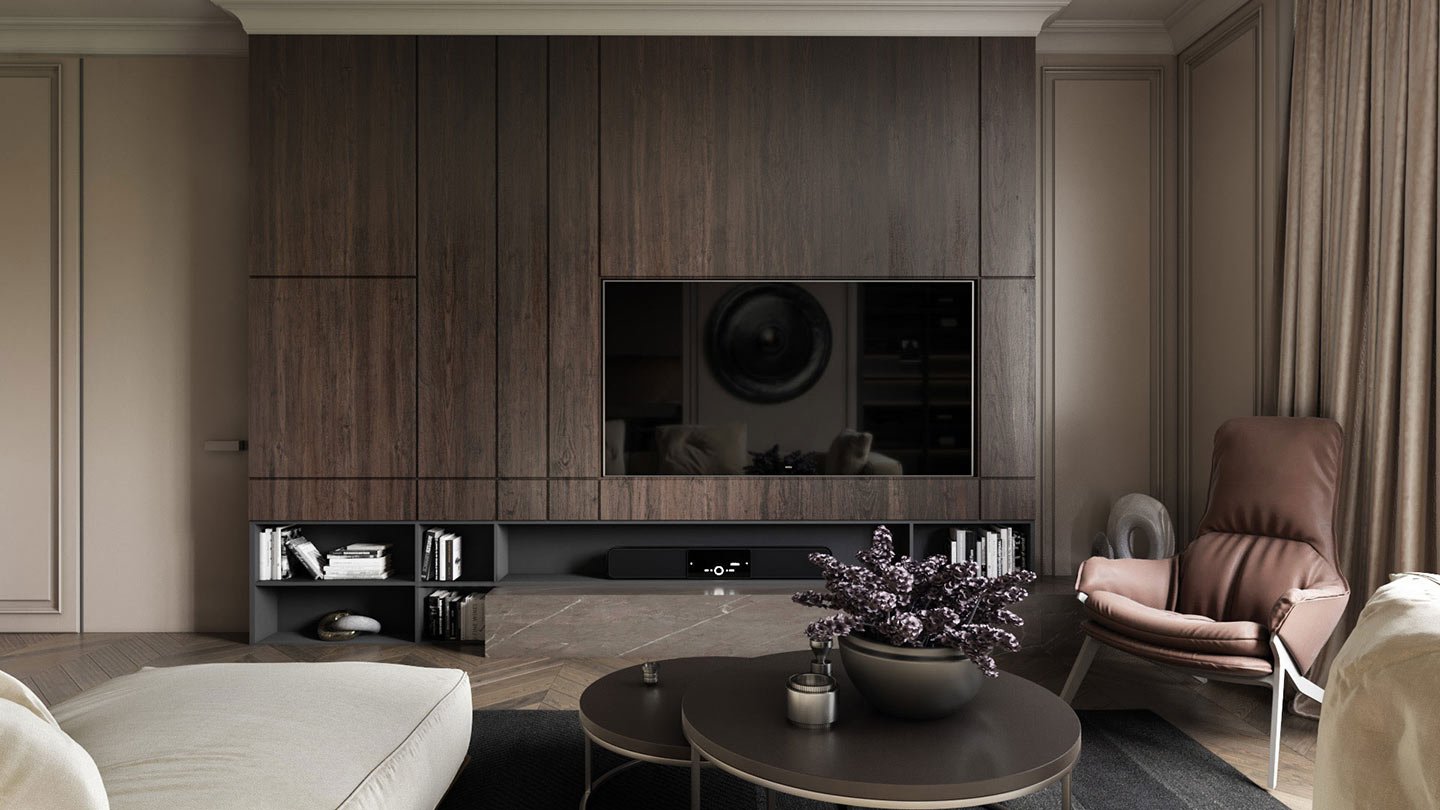
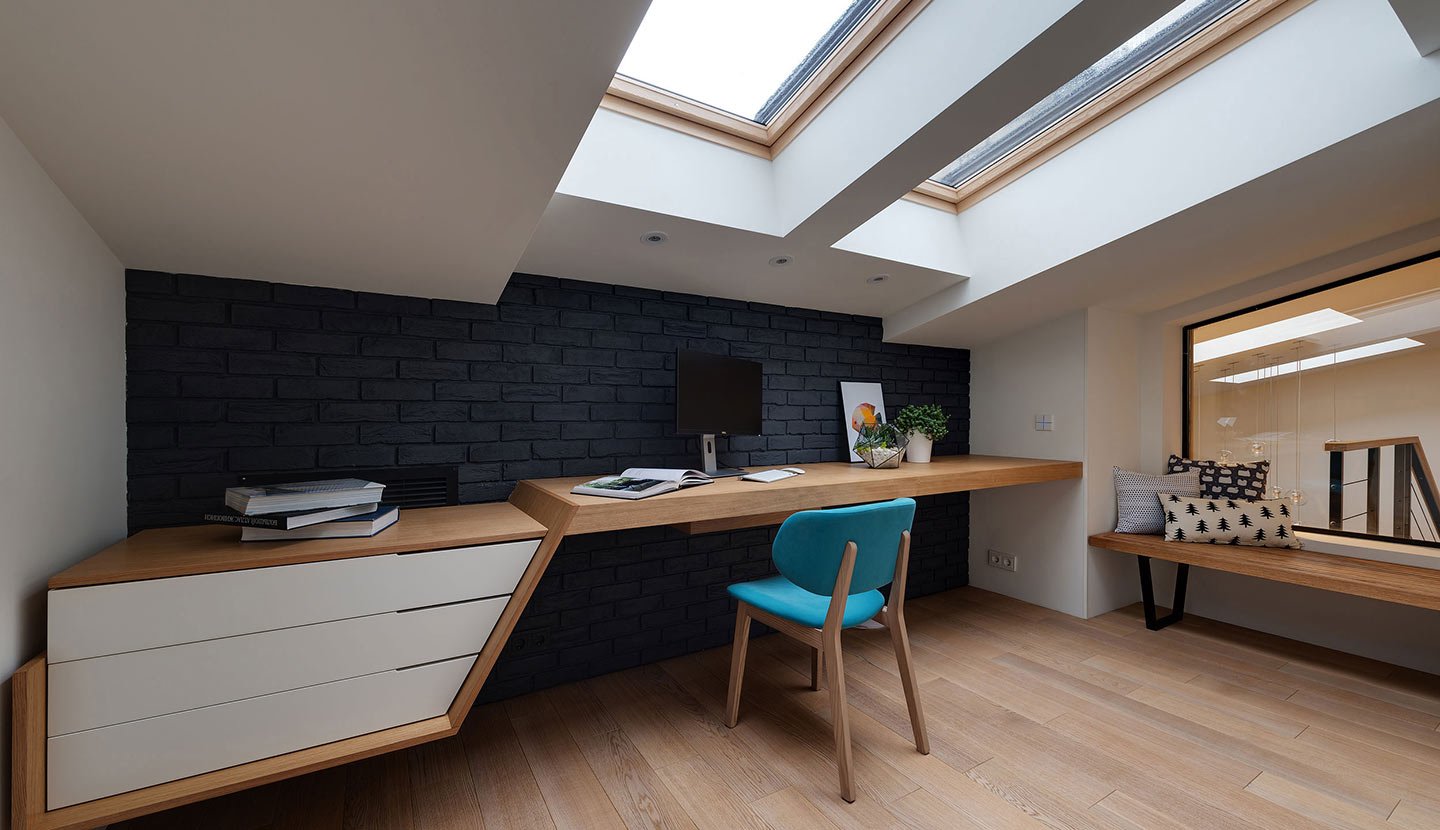
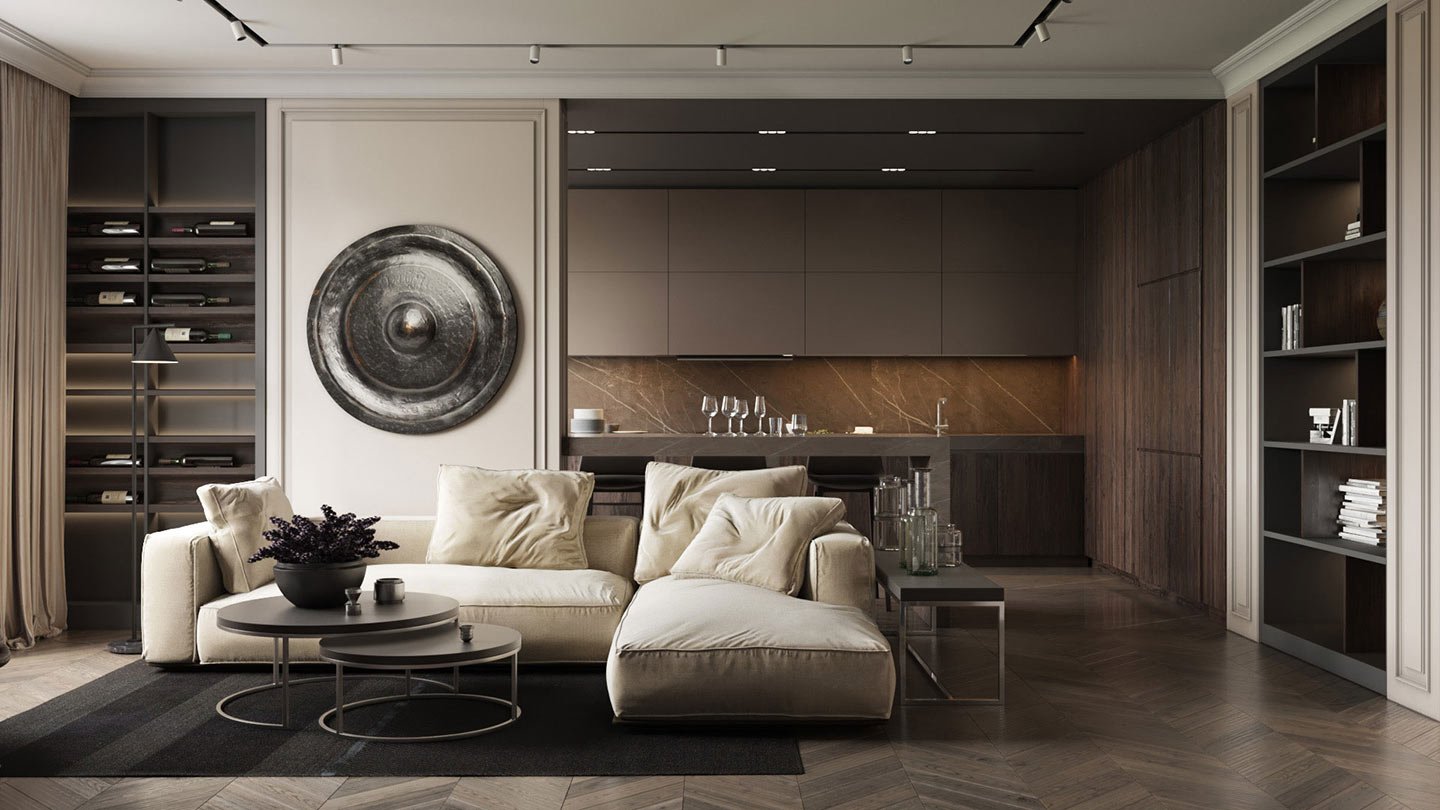
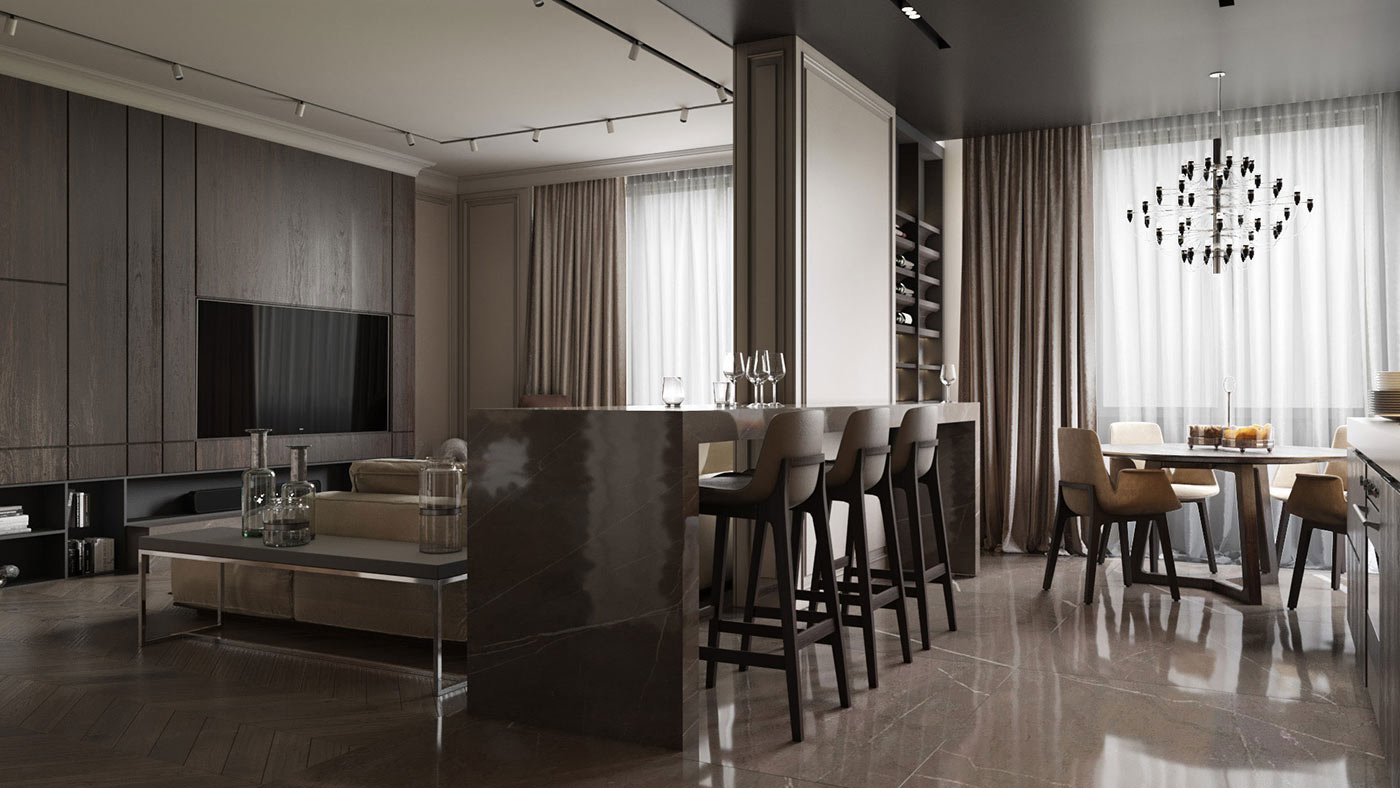
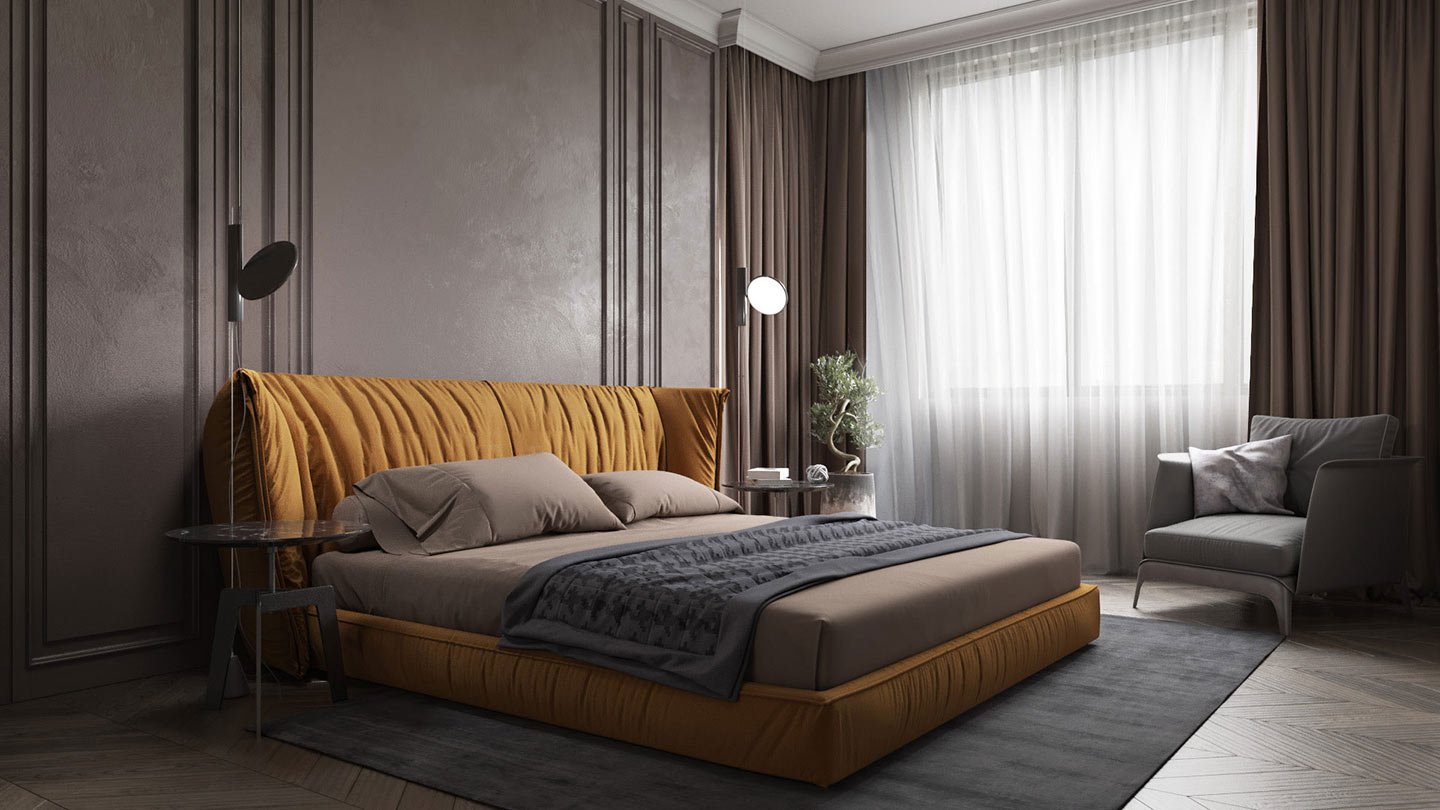
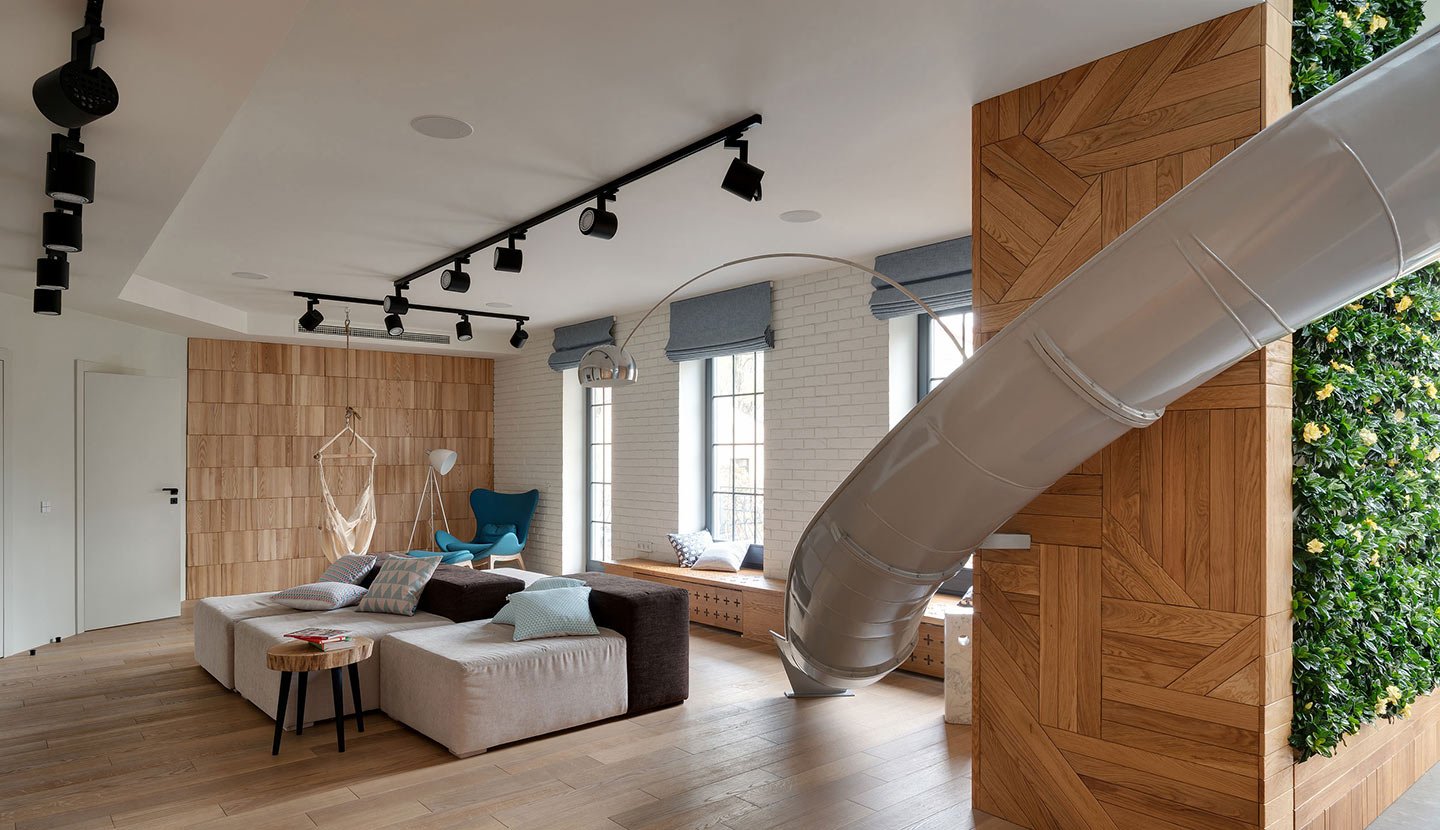
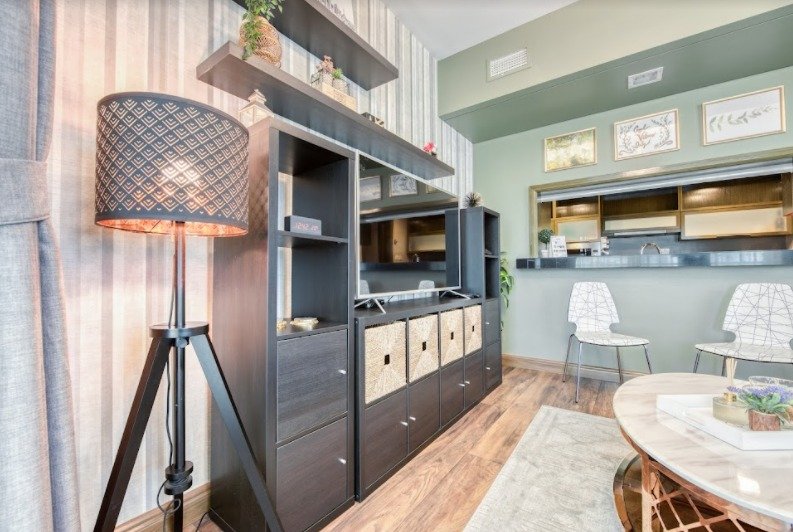
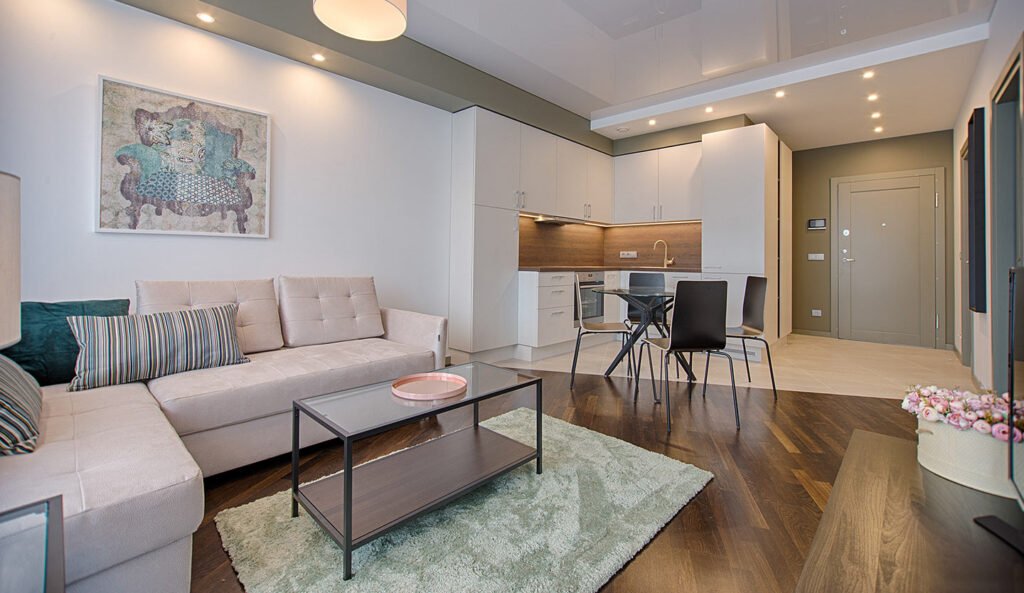
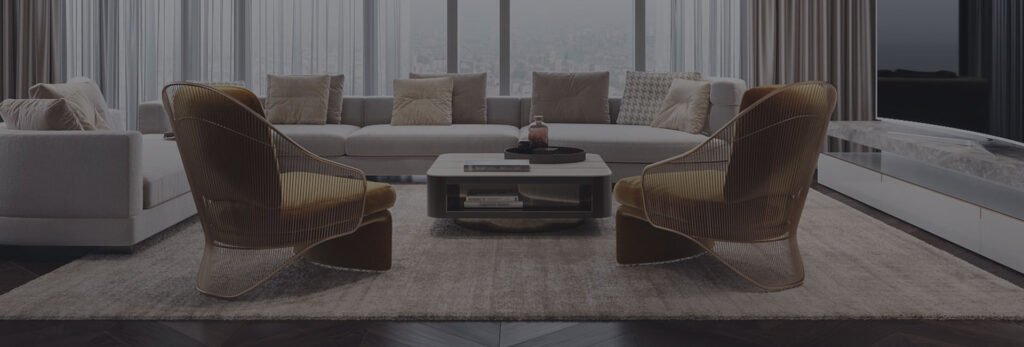
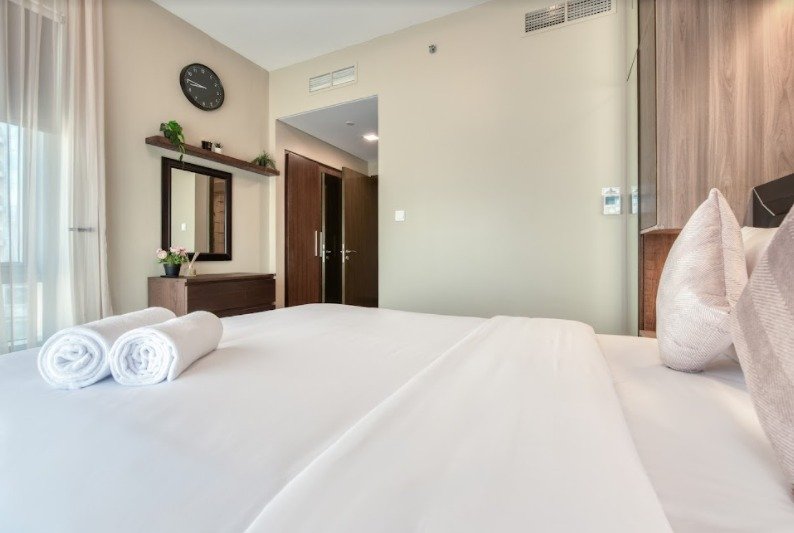
A refined, space-conscious interior for a Downtown Dubai apartment, designed to make the most of skyline views and natural light.

Designing for an apartment in Downtown Dubai meant working with a smaller footprint and making every square meter count. We focused on a layout that opens up the living and dining areas, used a restrained palette to let the skyline views take center stage, and selected furniture and storage solutions built for city-apartment living without feeling cramped or overly minimal.

architect:
Shimayala Yusuf
project type:
Interior Design
Location:
Donwtown
client:
Owner
Strategy:
Minimalistic
date:
March 22, 2026

Design in Details

In design, we bring characteristics of the natural world into built spaces, such as water, greenery, and natural light, or elements like wood and stone. Encouraging the use of natural systems and processes in design allows for exposure to nature, and in turn, these design approaches improve health and wellbeing. There are a number of possible benefits, including reduced heart rate variability and pulse rates, decreased blood pressure, and increased activity in our nervous systems, to name a few.

Over time, our connections to the natural world diverged in parallel with technological developments. Advances in the 19th and 20th centuries fundamentally changed how people interact with nature. Sheltered from the elements, we spent more and more time indoors. Today, the majority of people spend almost 80-90% of their time indoors, moving between their homes and workplaces. As interior designers embrace biophilia.

[30m2]

bedroom

[22m2]

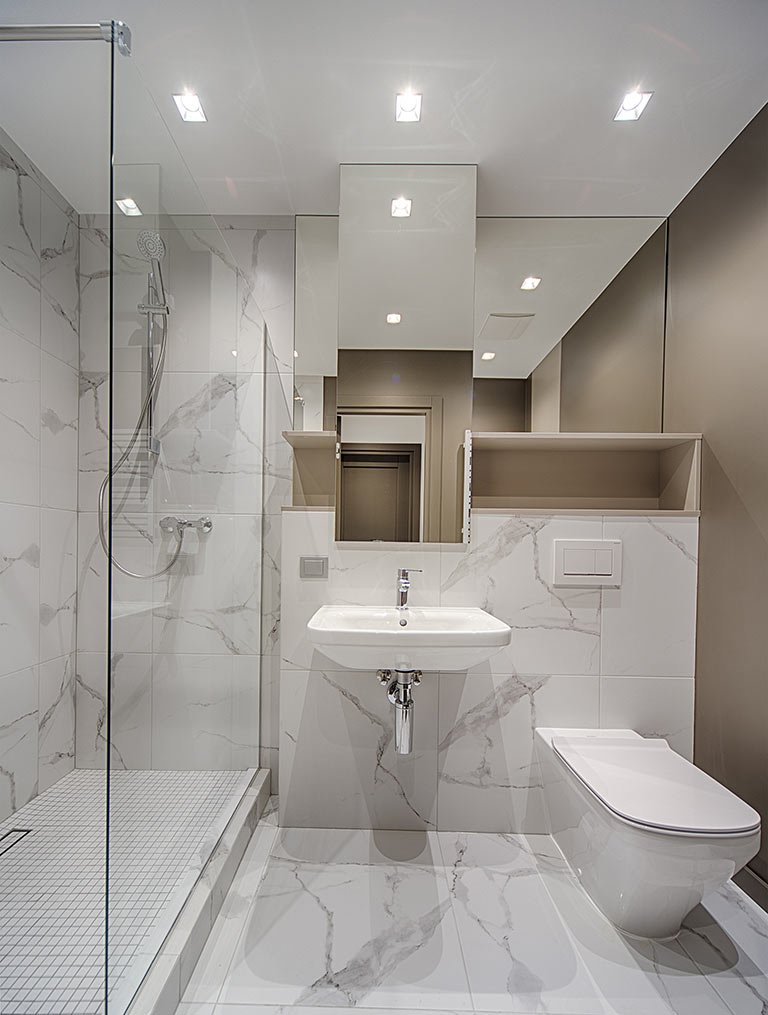
bathroom

[28m2]

workspace

[15m2]

kitchen area

Incredible Result

Establishing multi-sensory experiences, we can design interiors that resonate across ages and demographics. These rooms and spaces connects us to nature as a proven way to inspire us, boost our productivity, and create greater well-being. Beyond these benefits, by reducing stress and enhancing creativity, we can also expedite healing. In our increasingly urbanized cities, biophilia advocates a more humanistic approach to design. The result is biophilic interiors that celebrate how we live, work and learn with nature. The term translates to ‘the love of living things’ in ancient Greek (philia = the love of / inclination towards), and was used by German-born American psychoanalyst Erich Fromm in The Anatomy of Human Destru ctiveness (1973).